Editor’s Note (Update):
Since this newsletter was first sent last week, prediction markets have shifted meaningfully. Kevin Warsh has surged to the front as the leading candidate to become the next Fed Chair.
We’ve updated the odds section below to reflect this change. Importantly, the broader takeaways in this piece remain the same.
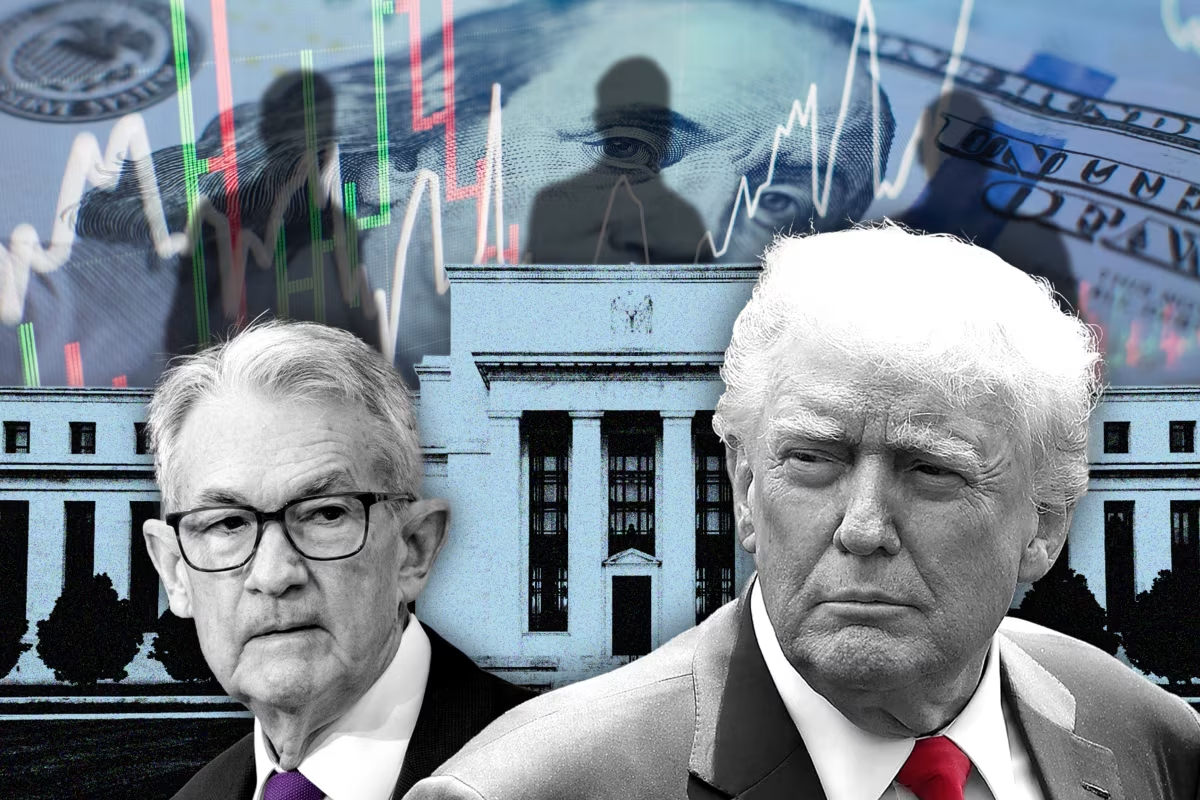
We all know what President Trump says he wants in a new Fed Chair: someone who will juice the economy, push for lower rates, and, let’s be honest, listen to him. He wants looser lending, higher asset prices, and an economy running hot into the next election cycle. Inflation discipline can wait.
If he gets his way, multifamily investors could benefit. Cheaper debt means acquisitions start penciling again. Refis get easier. Cap rates compress. Plus, if inflation runs a little hotter than the Fed would typically allow, rents and asset values tend to rise with it.
After a few years of white-knuckling through elevated rates, that kind of environment would be a relief. However, Trump does not get to snap his fingers and make it happen.
The bond market will react to whoever he picks. The Senate has to confirm them. And the Fed carries decades of institutional weight that resists being steered from the outside. He may want a dove, but how far he can push that depends on whether the pick can hold credibility with the people who actually set long-term rates.
Jerome Powell’s term runs through May 2026, and names are already floating. Some could strike the right balance between stimulus and stability. Others could rattle bond investors and push borrowing costs higher instead of lower. That gap is worth watching closely.
We dug into this during our recent State of the Market webinar, and our first newsletter of 2026 takes it further.
First Things First: The Fed Chair Pick Matters, But It’s Not a Magic Wand
Let’s first acknowledge the official story: the Fed Chair doesn’t set rates by decree. The Fed runs on committee votes, and the Chair is supposed to be first among equals.
Yet, the reality looks different: the Chair wields significantly outsized influence beyond that single vote. Think of it as a vote where your boss runs the polls. The Chair sets the agenda, controls the timing of discussions, shapes how the Fed communicates with markets, and builds the consensus that other members rally around.
Historically, Chairs also get their preferred policy direction through the committee more often than not. Dissents happen, but they’re the exception rather than the rule.
So yes, it’s technically a committee—but the person running that committee matters enormously for where policy lands.
What’s more, even when the Fed does cut rates, the bond market gets its own vote. Long-term rates reflect where investors think growth and inflation are headed, plus how much extra yield they want for taking on risk. The Fed can lower short-term rates while the 10-year Treasury moves in the opposite direction, especially if bondholders smell trouble.
That tension is vital for real estate investors. Rate cuts that genuinely lower the cost of capital look very different from cuts that spook the long end and push cap rates wider.
Same headline, very different outcomes for a refi or acquisition.
How the Selection Works (And What Limits Trump’s Options)
So who actually picks the next Chair, and what guardrails exist? The President nominates, and the Senate confirms. Powell’s term expires in May 2026, but markets won’t wait until then to react. Traders and lenders will start pricing in credibility risk and policy expectations months before any handoff.
Senate Confirmation
The White House can’t just install whoever it wants. A nominee still needs Senate votes, and a polarizing pick could backfire by widening the risk premium investors demand on long-term debt. The opposite of easy credit.
Market Credibility
Markets watch closely for independence. If bondholders believe the new Chair will bend to political pressure, long-term yields can rise even while the Fed cuts on the short end. That’s the scenario where rate relief never reaches loan terms.
Institutional Fit
The Fed has its own gravity. Whoever takes the seat has to work within a culture built around credibility, measured communication, and a careful approach to the balance sheet. The Chair leads the committee, but the institution shapes the Chair too.
The Contender Board: Who’s In the Mix, Why the Odds Keep Shifting, and Why It Matters
With those constraints in mind, the field of realistic candidates narrows quickly. Prediction markets have coalesced around a short list, but the rankings keep moving as the White House works through its selection process. Looking at both the current odds and what’s driving them helps frame how to think about each candidate.
Home prices hit new records in 2025, even with mortgage rates stuck above 7%, which pushed the income needed to buy a median home to double what it was in 2019. That crushing reality explains why we just saw the fewest existing home sales since 1995—buyers simply quit trying.
Who’s Leading
Bear in mind that these numbers can change by the minute.
Update: As of this morning, Polymarket now shows Kevin Warsh in the lead, overtaking Kevin Hassett after several recent headlines around the White House’s internal deliberations.
Christopher Waller remains in the mix, while the rest of the field trails meaningfully behind.
(As always, these odds can and will move again.)
Why the Odds Keep Moving
These numbers won’t stay static. The selection process itself creates volatility, and several catalysts could reshuffle the rankings before any announcement.
The Interview Trail Moves Markets: Reuters and others report an active shortlist process with Hassett, Warsh, and Waller all in the mix. Each new headline reprices the odds.
Independence Concerns Carry a Price Tag: Even the perception of politicization can widen term premia, tightening credit conditions for real estate before the Fed takes any action.
Internal Jockeying Matters: Some Trump officials have reportedly raised doubts about Hassett. Treasury Secretary Bessent has publicly outlined what he wants in the next Chair (an “open mind”), and Trump himself has framed the decision as a Warsh versus Hassett contest.
Rapid Repricing Is the Point: Warsh’s sudden move to the front underscores how fast markets update expectations based on new information. That volatility itself is a signal investors should pay attention to.
Who’s Who (And Why Markets Care)
So who are these names, and what would each bring to the role?
Kevin Hassett: Trump’s National Economic Council Director. He talks up Fed independence publicly, but markets wonder whether his proximity to the White House creates politicization risk.
Kevin Warsh: Warsh has former Fed Governor credentials and an institutional pedigree, and is now the betting-market frontrunner. Some see him as a steadier hand, though he’s also been a vocal critic of how the Fed operates.
Christopher Waller: Currently sits on the Fed Board and has backed rate cuts. He’s gone on record saying he’d defend the Fed’s independence, which gives him credibility with bondholders.
Rick Rieder: Runs fixed income at BlackRock. He’d be the outsider pick, bringing an investor’s lens rather than a policymaker’s background.
Before We Dive Into Rates, The Fed Has a Broader Policy Toolkit
Interest rates are the Fed policy that most directly hits multifamily economics, and the Fed Chair plays a big role in that. But before we analyze the interest rate forecast for the coming year, it’s worth noting that the Fed has a much broader toolkit. And it’s in this toolkit where we may see more creative action pushed by the administration and taken up by Trump’s pick.
Quantitative Easing (QE): The Fed can expand its balance sheet by purchasing assets and injecting liquidity directly into markets. During COVID, the Fed bought not just Treasuries but also agency mortgage-backed securities, which directly supported real estate financing. A dovish Chair could restart or expand these programs.
Asset Purchase Composition: The Fed has historically stuck to Treasuries and agency MBS, but there’s nothing stopping a more aggressive approach or greater creativity with SPVs. Expanding purchases to other asset classes, or increasing the MBS allocation relative to Treasuries, would more directly benefit real estate.
Forward Guidance and Communication: How the Fed signals its intentions can move markets as much as actual policy changes. A Chair who consistently talks down rate expectations or hints at extended accommodation can loosen financial conditions without taking any formal action.
Regulatory Approach: The Fed also oversees bank regulation. A lighter touch on capital requirements or stress testing could free up bank balance sheets for more CRE lending.
The same tightrope applies here: aggressive use of these tools could deliver real benefits to multifamily, but if markets perceive it as politically motivated or fiscally reckless, the backlash in long-term rates could offset the gains. A Chair who pushes these levers too hard risks the same credibility trap we’ve discussed throughout.
What Polymarket Expects for 2026 Cuts (And What That Means for Multifamily)
Now, for the good stuff: interest rates.
The old assumption that everyone eventually graduates from renting to owning is dead. We’re watching a permanent shift in how Americans think about housing, and it’s creating exactly the rental demand that isn’t going away.
Why We’re So Bullish for 2026 and Beyond
Of course, the Chair selection will shape the Fed’s policy. However, markets are already placing bets on where rates head next year, regardless of who sits in the seat. Polymarket’s “How many Fed rate cuts in 2026?” contract gives us a window into current expectations, and unsurprisingly, the projections lean dovish.
Where the Bets Stand
The Fed’s final 2025 decision included a quarter-point cut, and traders see more coming.
Polymarket’s mid-January snapshot breaks down like this (accurate as of mid-January):
0% chance of zero cuts (0 bps)
5% for one cut (25 bps)
23% for two cuts (50 bps)
28% for three cuts (75 bps)
19% for four cuts (100 bps)
8% for five cuts (125 bps)
4% for six cuts (150 bps)
Add it up, and the market leans toward 75–100 basis points of easing.
How This Translates to Multifamily
More cuts would ease pressure on floating-rate borrowers. SOFR-linked debt and bridge loan refis, for instance, could get cheaper if the Fed delivers, assuming spreads and credit availability cooperate.
The catch is that multifamily valuations and permanent financing don’t track the fed funds rate directly. They follow the 10-year Treasury and agency spreads.
The St. Louis Fed itself has noted that short-term rate moves can have a limited impact on long-term borrowing costs when the term premium takes over. A scenario where the Fed cuts while long-term rates hold steady, or even climb, is a very real possibility that would leave acquisition and refi economics essentially unchanged even as headlines trumpet easing.
Multifamily Impact: The Upside, Neutral, and Downside Cases
Rate cut expectations and Chair selection odds give us a framework, but the real question is what these scenarios mean for multifamily investors. Three paths stand out, and each carries different implications for operations, refinancing, and deal flow.
Upside: Cuts Land and Credibility Holds
The cleanest outcome pairs Fed easing with sustained confidence in the institution. Cost of capital comes down, refi math improves, and cap rate pressure relaxes. Bid-ask spreads narrow as buyers and sellers find common ground again.
Credit loosens at the margins, too. Lenders start competing for deals, and transaction volume picks up. Agency liquidity remains a backstop here: FHFA set 2026 multifamily caps at $88 billion each for Fannie and Freddie, totaling $176 billion in available financing.
Neutral: Cuts Happen, But Lending Stays Selective
Rate relief doesn’t automatically mean banks open the spigot. The Fed’s October 2025 Senior Loan Officer Opinion Survey has shown generally unchanged standards and demand for most CRE categories recently, even while other business lending tightened.
Cuts help at the margins, but operational execution still drives returns. Rent growth, expense control, and capex discipline matter as much as the rate environment when lenders stay cautious.
Downside: Markets Fear Political Influence (Regardless of Who Wins)
Markets price in inflation discipline. If bondholders sense the new Chair will run policy too loose, term premium rises and long yields stay sticky or climb higher. Cap rates suffer even while the Fed cuts short-term rates.
Lower short rates arrive, but the valuation relief investors want never materializes.
RSN’s Investor Lens: What We’re Watching and How We’ll Move
One key principle runs through our approach to this current climate: we don’t model “Fed cuts” as automatically meaning “lower long-term rates.” We model two paths, one where cuts come with a stable long end, and another where cuts arrive alongside a rising term premium. The difference between those outcomes changes everything.
Chair Odds and Confirmation Risk: Polymarket moves on headlines, and so do real capital markets. When independence or credibility concerns spike, we pay attention. A messy confirmation process can tighten financial conditions before anyone casts a vote.
Rate Cut Path vs. Long-End Reality: The Fed can cut rates all it wants, but if the 10-year doesn’t cooperate, refi numbers stay stuck.
Agency Capacity as a Liquidity Floor: Fannie and Freddie’s $176 billion in 2026 multifamily caps provide a baseline of available capital.
Bank Lending Tone: The Fed’s SLOOS survey tells us whether lenders are loosening up or still playing defense.
Underwriting That Doesn’t Rely on Rescue Rates: We stress-test for scenarios where cuts arrive, but cap rates don’t compress.
Kicking Off 2026 on the Right Foot
Our underwriting stays grounded in reality. We assume modest rent growth and keep our exit cap assumptions conservative enough that every deal works even if the recovery takes longer than expected. But when it accelerates on schedule, these properties are positioned to deliver outsized returns.
But we’ve learned not to pop champagne until the long end and credit spreads get the memo.
We head into 2026 with clear eyes: disciplined underwriting, optionality where we can find it, and a close watch on the Chair selection as a credibility story just as much as a rate cuts story.
Who gets the seat matters.
But what happens to the term premium and the 10-year matters more.
Thanks for being part of RSN and for bringing the kind of thoughtful questions that pushed us to dig into this topic. We’re energized about the year ahead and ready to keep translating the noise into signal and the signal into wise decision-making.
Happy Investing!

Reed Goossens is an Australian-born real estate entrepreneur, investor, author, public speaker, and an all-around good bloke. Reed got his start in real estate investing back in 2012 when he moved to the US.